
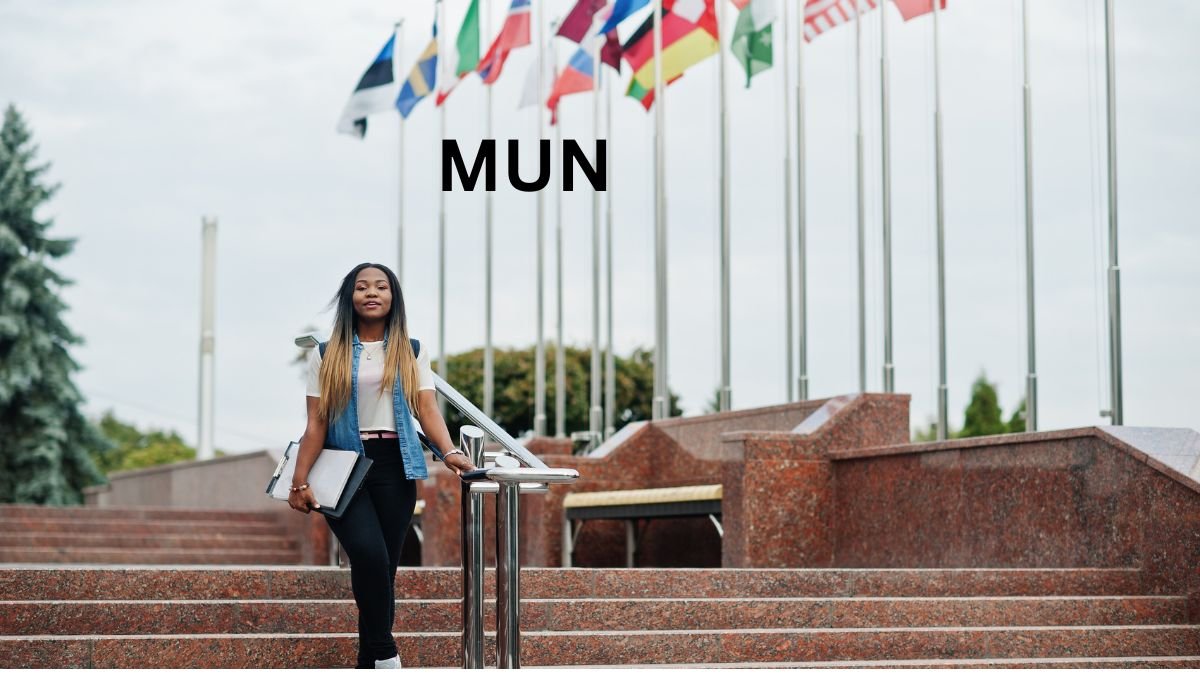
Model United Nations, commonly known as MUN, is one of the most popular academic simulations in the world. From schools to universities, students participate in M-U-N conferences to develop diplomacy, public speaking, critical thinking, and leadership skills. However, for beginners, M-U-N can feel intimidating—rules, procedures, country research, and formal debate can seem overwhelming at first.
This article breaks everything down in a simple, beginner-friendly way. If you’ve ever wondered what M-U-N is and how to get started confidently, this guide is for you.
What is MUN?
MUN (Model United Nations) is an educational simulation where students act as delegates representing different countries in committees of the United Nations. Each delegate discusses global issues such as climate change, international security, human rights, and economic development, aiming to pass resolutions through debate and negotiation.
In simple terms, M-U-N allows students to step into the shoes of diplomats and experience how international politics works—without needing prior political knowledge.
Why Should You Participate in MUN?
Participating in M-U-N offers benefits that go far beyond certificates and trophies. Here’s why M-U-N is worth your time:
1. Improves Public Speaking
M-U-N helps you overcome stage fear and speak confidently in front of an audience.
2. Builds Research Skills
Delegates must research their assigned country’s policies, history, and stance on global issues.
3. Enhances Critical Thinking
M-U-N teaches you how to analyze problems, form logical arguments, and think from multiple perspectives.
4. Develops Leadership & Teamwork
You learn negotiation, collaboration, and leadership—skills essential for any career.
5. Boosts Your Resume
Universities and employers value M-U-N experience because it reflects communication and analytical skills.
Understanding the Structure of MUN
Before attending your first M-U-N, it’s important to understand how it is structured.
Committees
Each M-U-N conference has multiple committees, such as:
- General Assembly (GA)
- Security Council (UNSC)
- Human Rights Council (UNHRC)
- World Health Organization (WHO)
Each committee focuses on specific agendas or topics.
Delegates
Participants represent a country or organization and defend its policies throughout the conference.
Chairs
Chairs or moderators manage committee sessions, maintain rules, and guide debate.
Key MUN Terminology You Must Know
Here are some common MUN terms beginners should understand:
- Agenda: The topic being discussed in the committee
- Placard: A card showing your country’s name
- GSL (General Speakers List): The main debate list
- Motion: A proposal to move the committee to a new action
- Resolution: A document suggesting solutions to the agenda
- Caucus: Informal or moderated discussion sessions
Learning these terms will make your first MUN experience much smoother.
How to Prepare for Your First MUN
Preparation is the key to success in MUN. Follow these steps to feel confident and ready.
1. Research Your Country
Understand your country’s:
- Foreign policy
- Political alliances
- Position on the agenda
Avoid personal opinions—always speak from your country’s perspective.
2. Study the Agenda
Learn:
- The causes of the problem
- Affected regions
- Existing UN actions
- Possible solutions
Use credible sources like UN websites, BBC, and academic articles.
3. Write a Position Paper
A position paper is a short document summarizing your country’s stance and proposed solutions. It usually includes:
- Country background
- Position on the agenda
- Suggested solutions
Rules of Procedure: Don’t Be Afraid!
Many beginners fear MUN rules, but they’re easier than they look.
You don’t need to memorize everything. Just focus on:
- How to raise a motion
- How to speak in GSL
- How voting works
Most chairs are friendly and guide new delegates, so don’t hesitate to ask questions.
Tips to Perform Well in MUN as a Beginner
Here are some practical tips to help you stand out:
Speak Early
Don’t wait too long. Even a short speech builds confidence and visibility.
Be Diplomatic
Avoid aggressive arguments. MUN values cooperation and respectful debate.
Take Notes
Write down important points from other delegates—it helps during rebuttals.
Collaborate
Form blocs (groups of countries with similar views) to draft strong resolutions.
Stay Calm
Mistakes are part of learning. Even experienced delegates make them.
Writing a Good Resolution
A resolution is the final goal of MUN debate. It includes solutions agreed upon by the committee.
A strong resolution should:
- Be realistic and implementable
- Respect national sovereignty
- Address root causes
- Use clear and formal language
Even beginners can contribute by suggesting clauses or editing drafts.
Common Myths About MUN
Let’s clear some misconceptions:
- “MUN is only for toppers” – False. Anyone can learn and excel.
- “You must speak perfect English” – Confidence matters more than accent.
- “Beginners always fail” – Many best delegates started as first-timers.
MUN is about growth, not perfection.
read more :modelunitednations
Life Skills You Gain from MUN
MUN shapes you in ways textbooks cannot:
- Confidence in communication
- Awareness of global affairs
- Problem-solving mindset
- Respect for diverse opinions
These skills stay with you long after the conference ends.
Final Thoughts: Take the First Step
Starting MUN may feel challenging, but every experienced delegate once stood where you are now. The key is to take the first step. Prepare well, participate actively, and enjoy the experience.
MUN is not about winning—it’s about learning, evolving, and understanding the world better.
So, if you’ve been hesitating, this is your sign. Step into diplomacy, raise your placard, and let your voice be heard.