
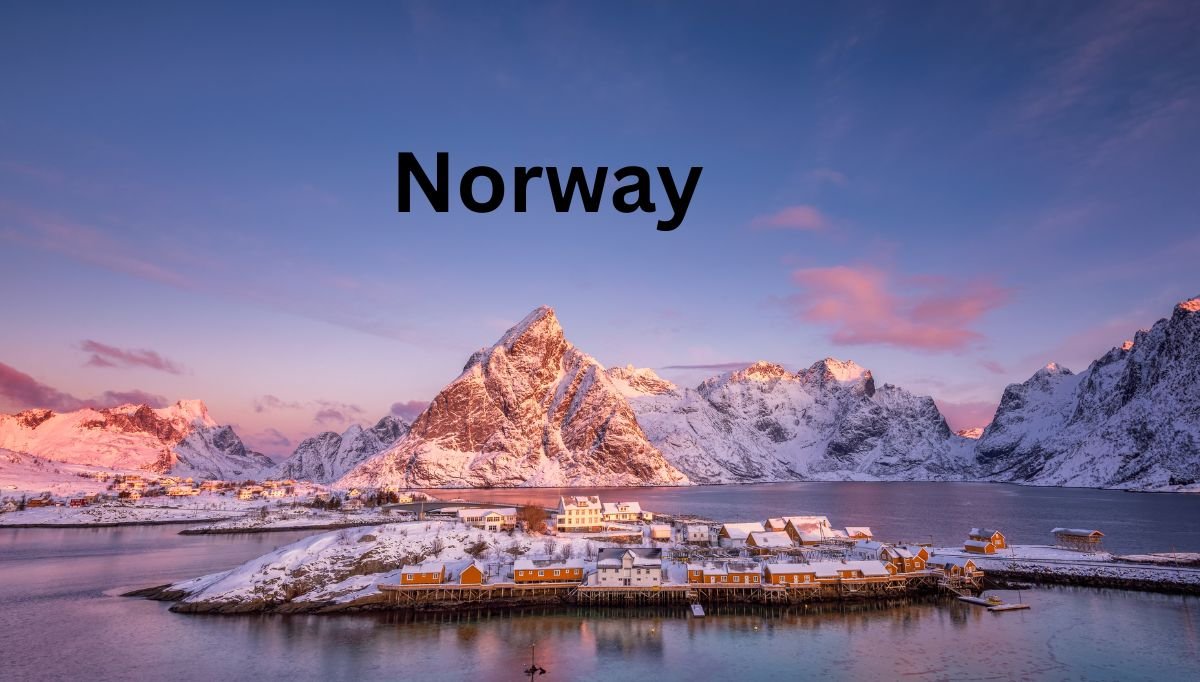
Norway is a Scandinavian country located in Northern Europe, widely known for its dramatic natural landscapes, rich cultural heritage, and high standard of living. From deep fjords and towering mountains to modern cities and ancient Viking roots, Norway presents a unique blend of tradition and progress. This article explores key facts about Norway, its geography, major points of interest, and a brief overview of its history.
Key Facts About Norway
Norway, officially known as the Kingdom of Norway, is a constitutional monarchy with a parliamentary system of government. The capital city is Oslo, which also serves as the country’s political, economic, and cultural center. Norway has a population of approximately 5.5 million people, making it one of the less densely populated countries in Europe.
The official language of Nor-way is Norwegian, which has two written forms: Bokmål and Nynorsk. English is widely spoken, especially among younger generations, making communication easy for visitors. The currency used is the Norwegian Krone (NOK).
Nor-way consistently ranks among the top countries in the world in terms of human development, quality of life, education, healthcare, and income equality. It is not a member of the European Union, but it maintains close economic ties with EU countries through the European Economic Area (EEA).
Geography of Norway
The geography of Nor-way is one of the most striking in the world. The country stretches along the western portion of the Scandinavian Peninsula and shares borders with Sweden, Finland, and Russia. To the west lies the North Atlantic Ocean, while the Barents Sea borders the north.
One of Norway’s most famous geographical features is its fjords—deep, narrow inlets of the sea surrounded by steep cliffs. These fjords were formed by glaciers during the Ice Age and are now among Norway’s most iconic natural attractions. The Sognefjord, the longest and deepest fjord in Nor-way, extends more than 200 kilometers inland.
Norway also has a rugged terrain dominated by mountains, plateaus, and glaciers. The Scandinavian Mountains run through much of the country, contributing to its dramatic landscapes. Despite its northern location, Nor-way enjoys a relatively mild climate along the coast due to the warming influence of the Gulf Stream.
In the far north, parts of Nor-way lie within the Arctic Circle, where natural phenomena such as the Midnight Sun in summer and the Northern Lights (Aurora Borealis) in winter can be observed. These features make Norway a fascinating destination for nature lovers and scientists alike.
Points of Interest in Norway
Norway offers a wide range of attractions that appeal to tourists, historians, and adventure seekers.
Oslo
Oslo, the capital city, is home to major cultural institutions such as the Viking Ship Museum, the Munch Museum, and the National Museum. The city combines modern architecture with green spaces and waterfront views.
Bergen
Often referred to as the “Gateway to the Fjords,” Bergen is a historic city known for its colorful wooden houses at Bryggen, a UNESCO World Heritage Site. It is surrounded by mountains and fjords, making it a popular tourist hub.
Geirangerfjord
The Geirangerfjord, another UNESCO World Heritage Site, is famous for its breathtaking scenery, waterfalls, and steep cliffs. It is one of the most photographed locations in Nor-way.
Lofoten Islands
The Lofoten Islands are known for their dramatic peaks, fishing villages, and pristine beaches. They are a prime location for experiencing traditional Norwegian coastal life and Arctic landscapes.
Tromsø
Located in northern Norway, Tromsø is one of the best places in the world to witness the Northern Lights. It is also an important center for Arctic research and exploration.
History of Norway
The history of Norway dates back thousands of years, with evidence of human settlement from the end of the last Ice Age. Early inhabitants relied on hunting, fishing, and later farming to survive in the harsh environment.
Viking Age
Norway is famously associated with the Viking Age, which lasted roughly from the late 8th century to the early 11th century. Norwegian Vikings were skilled seafarers who explored, traded, and raided across Europe. They reached as far as the British Isles, Iceland, Greenland, and even North America.
During this period, Norway gradually unified into a single kingdom. Harald Fairhair is traditionally regarded as the first King of Norway, uniting various regional chieftains under one rule.
Medieval Period and Unions
In the late Middle Ages, Norway entered into political unions with neighboring countries. It was united with Denmark for several centuries, followed by a union with Sweden after 1814. During these periods, Norway lost much of its political independence but retained its cultural identity.
Modern Norway
Norway gained full independence in 1905, becoming a constitutional monarchy. In the 20th century, the discovery of oil and natural gas in the North Sea transformed Norway’s economy. The country wisely managed its oil revenues through the Government Pension Fund Global, one of the largest sovereign wealth funds in the world.
During World War II, Norway was occupied by Nazi Germany, but it emerged after the war as a strong democratic nation. Norway later became a founding member of NATO in 1949, playing an important role in international diplomacy and peace efforts.
Culture and Society
Norwegian culture places strong emphasis on equality, community, and respect for nature. Outdoor activities such as hiking, skiing, and fishing are deeply embedded in daily life. The concept of “friluftsliv”, meaning “open-air life,” reflects Norwegians’ close relationship with nature.
Norway is also known for its contributions to literature, music, and art. Writers like Henrik Ibsen and artists like Edvard Munch have gained international recognition. Traditional folk music and modern pop culture coexist, reflecting the country’s balance between tradition and innovation.
read more: Traveltonorway
Conclusion
Norway is a country that stands out for its natural beauty, historical depth, and modern achievements. With its dramatic geography, fascinating Viking heritage, and commitment to social welfare and sustainability, Norway offers valuable lessons to the world. Whether viewed through the lens of history, geography, or contemporary society, Norway remains one of the most remarkable nations in Northern Europe.